
Buy Foam Rollers for Muscle Recovery
Foam Rollers for Muscle Recovery at Home
Recovery is essential to any fitness routine, and foam rolling is one of the most effective self-massage techniques for releasing muscle tension. But most foam rollers are eyesores—bright colors and industrial textures that clash with your home décor.
MOVART foam rollers deliver professional-grade myofascial release in a design that complements modern living spaces. The high-density foam provides firm, consistent pressure for deep tissue massage on your back, legs, IT band, and shoulders.
Use your foam roller before workouts to improve mobility and muscle activation, or after training to reduce soreness and speed recovery. Regular foam rolling helps break up adhesions in fascia, increases blood flow to muscles, and improves overall flexibility.
Our textured surface pattern is optimized for effectiveness without being uncomfortable. The foam density holds up to daily use without losing shape—a common problem with cheap rollers that compress and become useless within months.
Available in colors that blend with your home interior, our foam rollers are designed to be kept accessible for daily use. The more you roll, the better you feel—so we made a roller you won't want to hide away.
Shop Foam Rollers
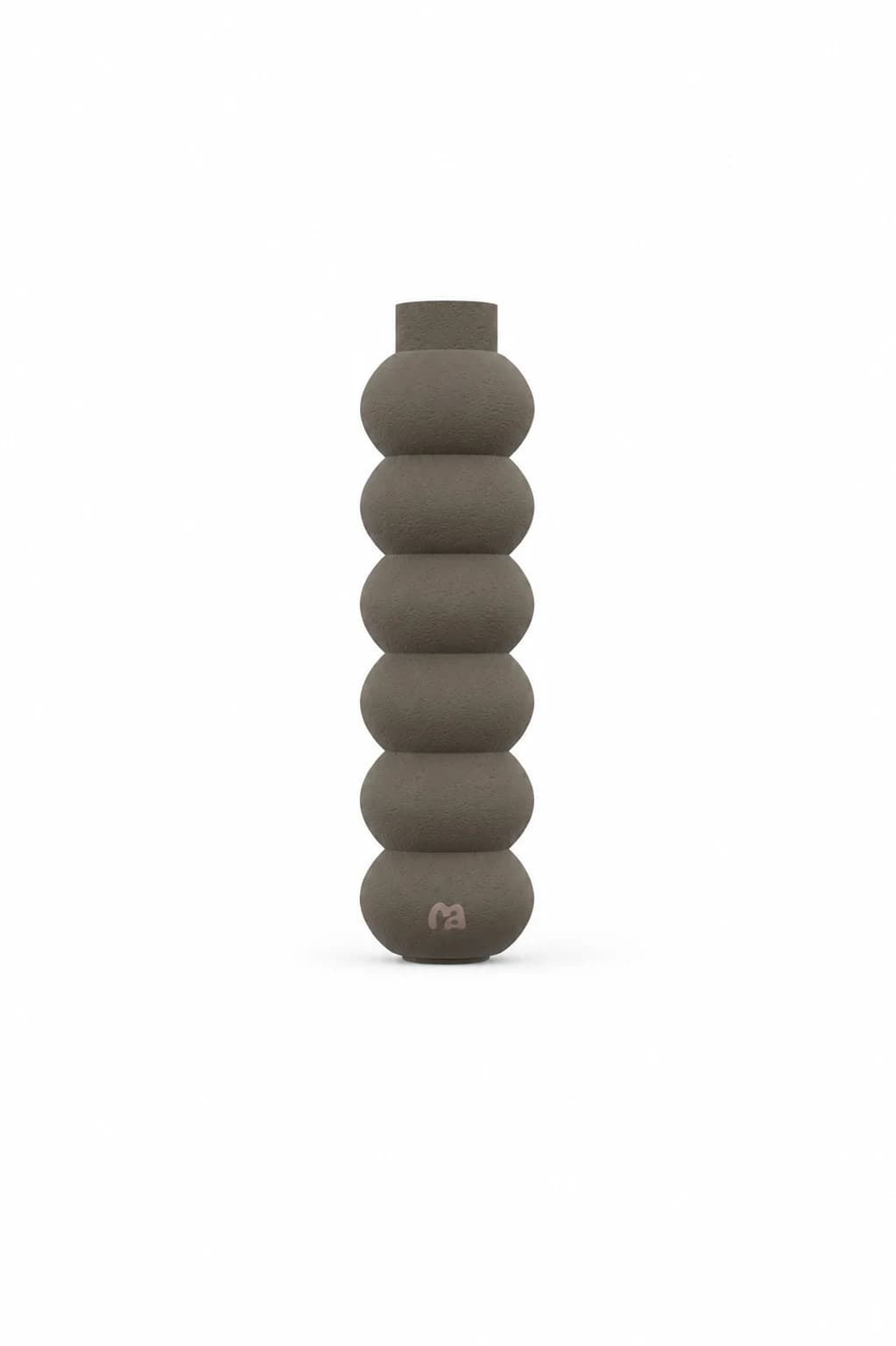
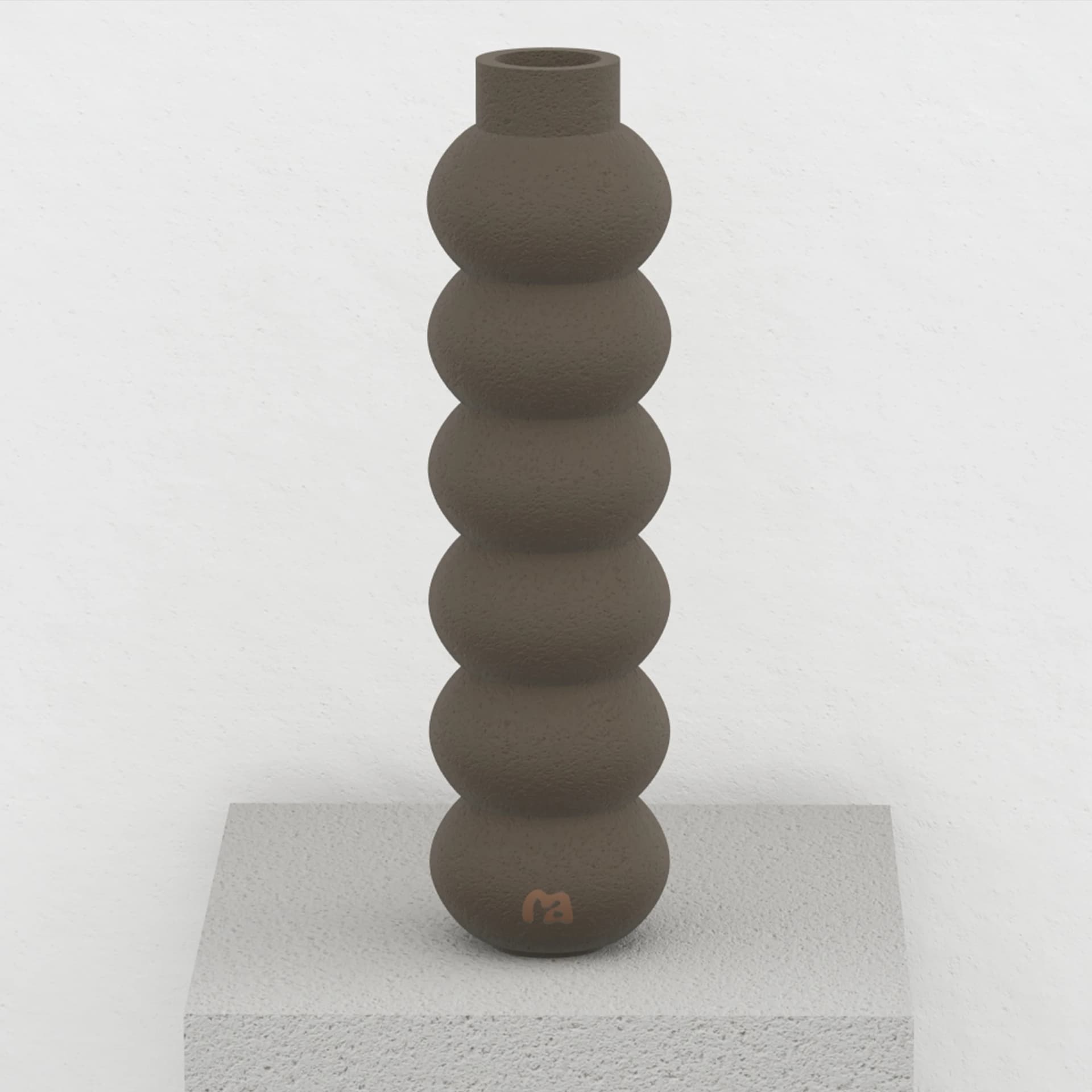
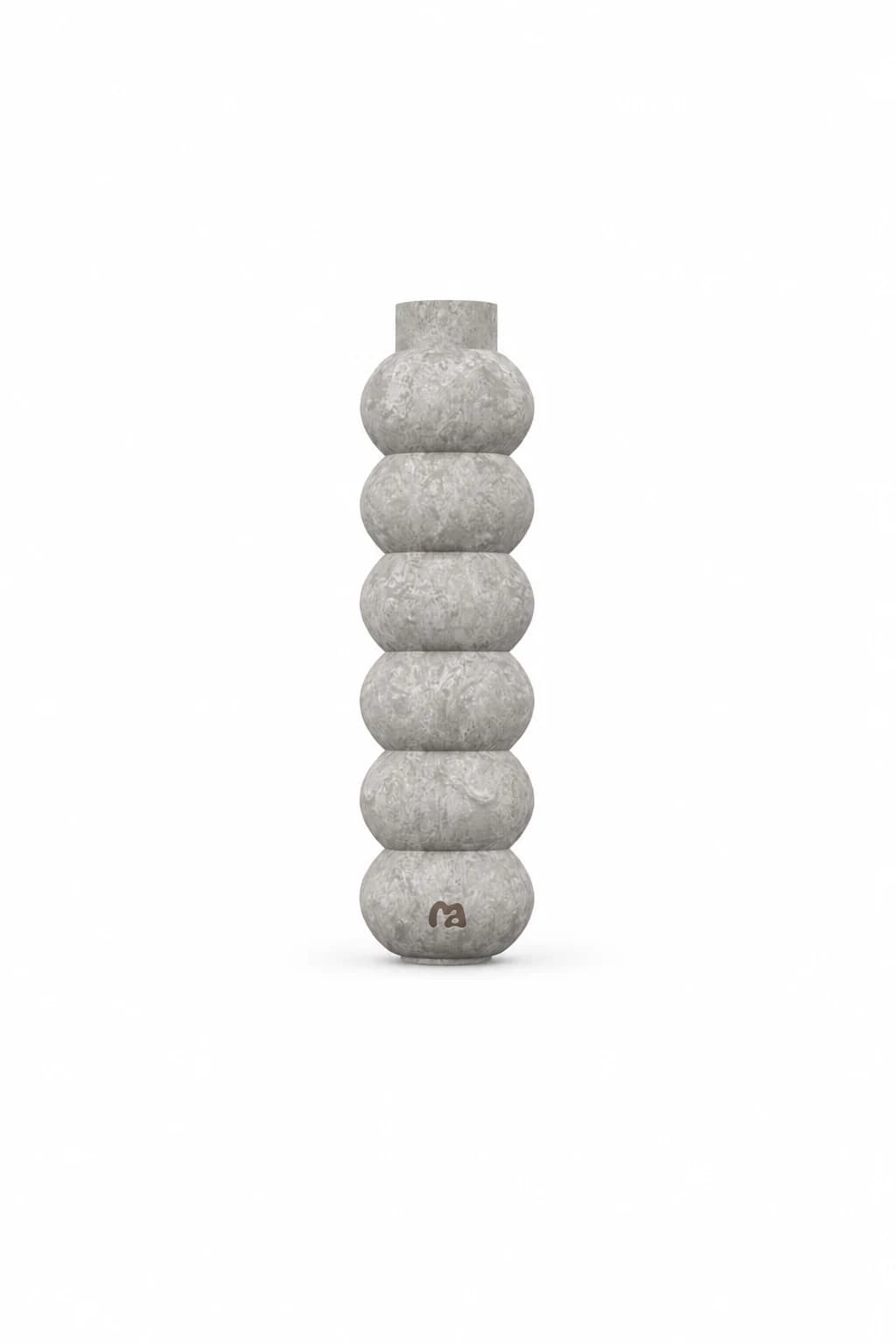
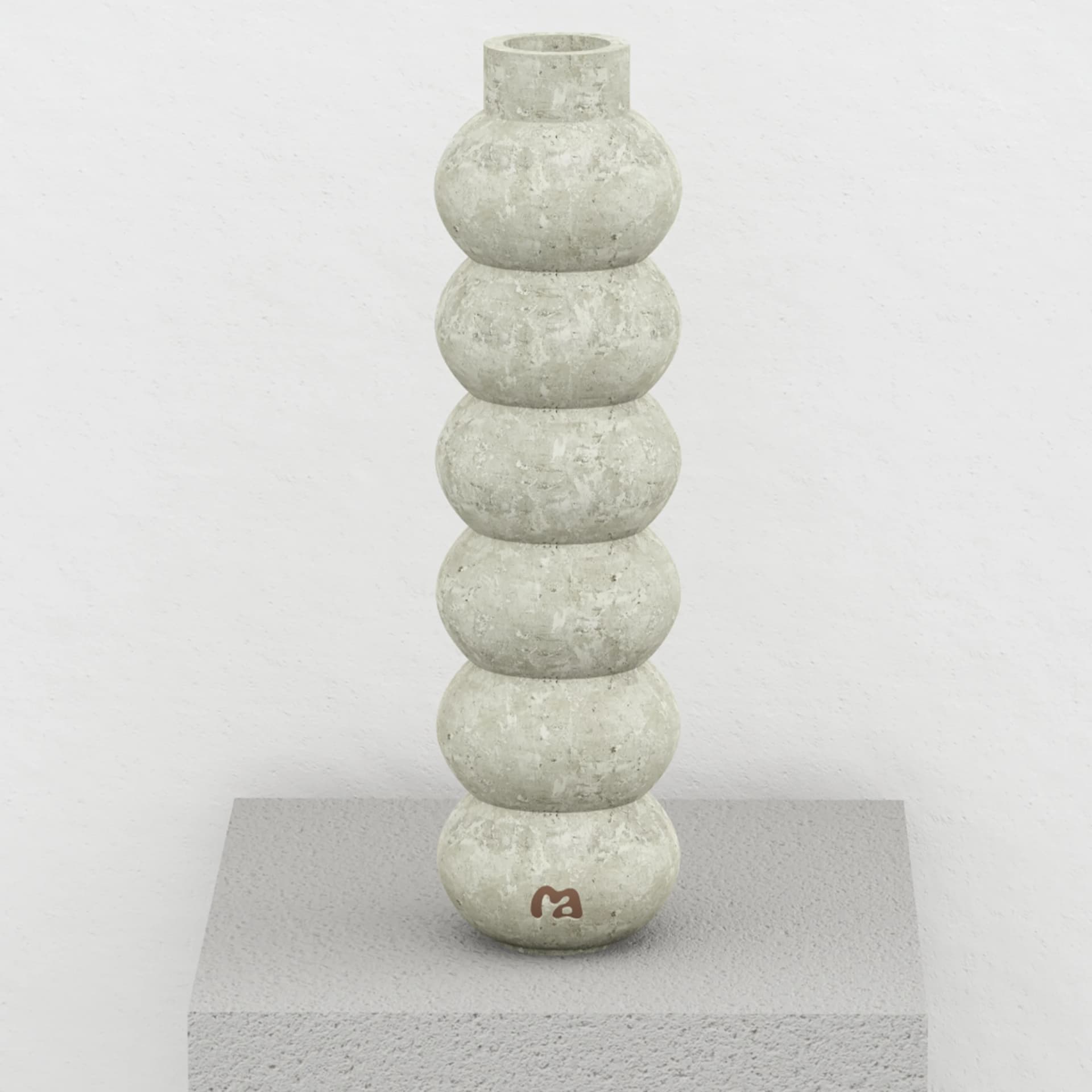
Showing 2 products
How to Choose a Foam Roller
Consider density. Firmer rollers provide deeper pressure for experienced users. Our medium-firm density works well for most people—effective for muscle release without being painfully intense.
Think about texture. Smooth rollers offer broad, general pressure. Our textured pattern provides targeted massage that mimics hands-on therapy, reaching deeper layers of muscle tissue.
Size matters. Standard length rollers (18") work for most body parts. Our size is optimized for back rolling while remaining portable enough for travel.
Match your routine. If you train daily, you need a roller that holds up. Our high-density construction maintains shape through years of regular use.
Frequently Asked Questions
For best results, foam roll daily—even on rest days. Spend 1-2 minutes per muscle group. Roll before workouts to improve mobility and muscle activation, and after workouts to reduce soreness. Consistency is key for lasting benefits.
Yes, research supports foam rolling for reducing muscle soreness, improving range of motion, and enhancing recovery. It works by releasing tension in the fascia (connective tissue surrounding muscles), increasing blood flow, and reducing adhesions that limit mobility.
Foam rolling should feel like a "good hurt"—uncomfortable but tolerable, like a deep tissue massage. If pain is sharp or unbearable, you're pressing too hard or rolling over an injury. Ease up and focus on surrounding areas instead.
Foam rolling and stretching serve different purposes and work best together. Rolling releases muscle tension and fascial adhesions, while stretching lengthens muscles. Do both for optimal flexibility and recovery—roll first, then stretch.
Focus on major muscle groups: calves, quadriceps, hamstrings, IT band (outer thigh), glutes, upper back, and lats. Avoid rolling directly on joints, the lower back, or the front of your neck. Spend extra time on tight areas.
Cheap foam rollers compress and lose effectiveness within months. Our high-density construction is designed for years of daily use without losing shape. With proper care, expect 3-5+ years of consistent performance.
Our medium-firm density works well for beginners and experienced users alike. If you're very new to rolling, start with lighter pressure by supporting more body weight with your hands. As your tissues adapt, you can apply more pressure.
Foam rolling can help relieve upper back tension and improve thoracic mobility. For the upper back, roll between shoulder blades with arms crossed. Avoid rolling the lower back directly—instead, roll glutes, hip flexors, and hamstrings which often contribute to lower back tightness.